
Almost everyone who books a trek with us already has some kind of travel insurance, usually a general policy bought in a hurry the week before the flight. The problem is rarely that people travel uninsured. It is that the policy they have does not actually cover the trip they are about to do. A standard policy written for a beach holiday or a city break was never built for altitude, remote rescue or whitewater, and the gap only shows up at the worst possible moment.
In this article
- Why a general policy usually falls short
- Match the cover to your actual altitude, not a rough idea of it
- Helicopter evacuation is the line that actually matters
- Climbing is a different category from trekking
- Restricted areas add their own small print
- A day of rafting, biking or flying needs its own tick box too
- A quick way to check a policy is actually enough
- Before you fly
Why a general policy usually falls short
Most standard travel insurance is written around a default altitude limit, often somewhere between 3,000 and 4,500 metres, with no mention of trekking at all unless you specifically add it. Below that line, a policy that says it covers hiking is usually fine. Above it, on anything that reaches the kind of altitude our treks do, that same policy can simply stop covering you the moment you cross the line it was written for, regardless of what the word “adventure” on the brochure implied.
This is not a reason to panic about insurance in general. It is a reason to read the number on the policy rather than the word next to it.
Match the cover to your actual altitude, not a rough idea of it
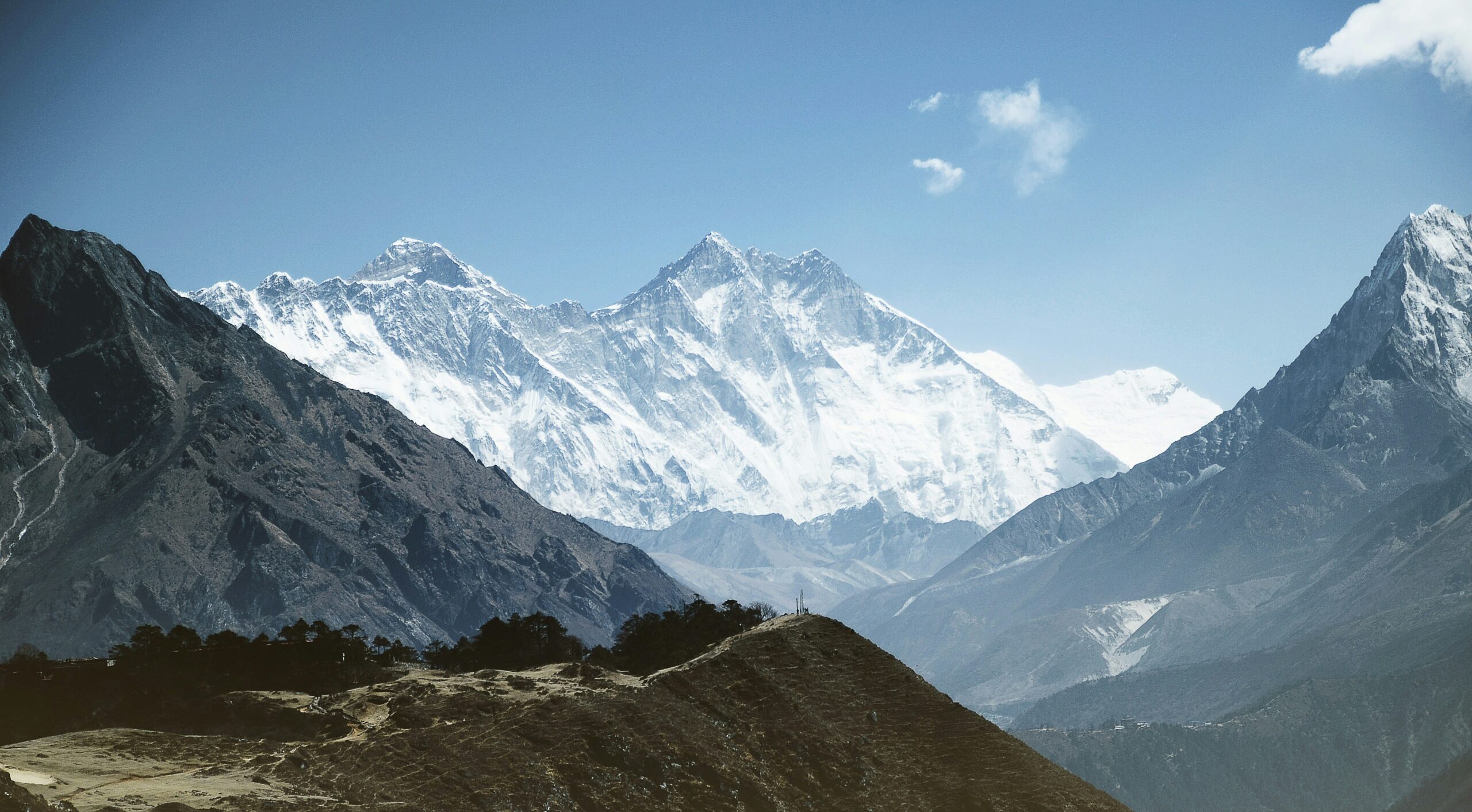
Every route we run states its maximum altitude on the trip page, so there is no guessing involved. The Everest Base Camp Trek tops out at 5,555 metres on Kala Patthar. That needs a policy rated well above the 3,000 to 4,500 metre default most insurers quote as standard. Some insurers sell a single “trekking” band that runs up to 6,000 metres, which comfortably covers Everest Base Camp and similar routes, but read the number carefully anyway: a few hundred metres of difference between what a policy actually allows and what your route reaches is exactly the gap that matters if something goes wrong near the top.
If altitude is new to you, our guide to altitude sickness on the Everest Base Camp Trek explains how the itinerary itself is built around acclimatisation days, which is the first line of defence long before insurance comes into it.
Helicopter evacuation is the line that actually matters
Emergency medical cover and helicopter evacuation are usually two separate lines in a policy, not one. A policy can cover a hospital visit perfectly well and still exclude or cap rescue by air, which in the Khumbu or Manaslu is often the only practical way down from altitude quickly. Check that evacuation and search and rescue are named specifically, not folded into a vague “emergency assistance” clause.
In practice, helicopter operators in Nepal generally want a guarantee of payment before the aircraft leaves the ground, which is why we ask every trekker for their insurer’s name, policy number and 24 hour emergency number before departure, not during an emergency. Between the flight itself and the hospital stay that usually follows in Kathmandu, the total cost climbs into the thousands of dollars quickly. Our travel insurance requirements page covers exactly what we check and why.
It is also worth knowing that rescue costs and insurance claims in Nepal’s mountain regions have had a well documented problem with unnecessary or inflated evacuations in past years. That is one more reason descent is always tried first on our treks, and a helicopter is called only when a guide judges it genuinely necessary, never as a shortcut.
Climbing is a different category from trekking
If you’re booking Island Peak, which summits at 6,189 metres, a trekking policy capped at 6,000 metres will not cover the one part of the trip that actually needs it: the climb itself. Mountaineering cover is sold separately from trekking cover by most insurers, usually with its own altitude ceiling and sometimes a question about whether you’re climbing with fixed ropes and a guide, which you are. Read the policy wording for “mountaineering” or “climbing” specifically rather than assuming a high altitude trekking policy stretches to cover a roped summit day.
Restricted areas add their own small print
Routes like the Manaslu Circuit sit in restricted areas, which already require a minimum of two trekkers travelling with a licensed guide, as our permits guide explains. The practical point for insurance is distance: Samdo and the Larkya La are days from the nearest road, so a rescue can mean a longer flight and a longer wait than on the busier Khumbu trails. The altitude and evacuation cover need to be solid for the whole route, not just the pass itself, because the remote stretches either side of it are where help takes longest to arrive.
A day of rafting, biking or flying needs its own tick box too
This isn’t only about multi-day treks. Whitewater rafting, canyoning, bungee jumping, paragliding and mountain biking are routinely listed under “hazardous activities” on a standard policy and excluded unless named individually, even when the policy otherwise looks generous. If you’re booking Bhote Koshi rafting and canyoning, the Trishuli rafting day trip, bungee jumping at Kushma, paragliding over Pokhara or the mountain bike day ride on the Kathmandu valley rim, check that your policy names the specific activity rather than assuming a general “adventure sports” box covers it. It’s the one line on each of those trip pages worth reading twice.
A quick way to check a policy is actually enough
- It names a maximum altitude at or above the highest point of your specific route, not a generic “trekking” tick box.
- Helicopter evacuation and mountain rescue are named specifically, not assumed under general emergency medical cover.
- If you’re climbing rather than trekking, mountaineering is covered as its own category, with its own altitude limit checked against your summit height.
- Any adventure activity you’ve added on, rafting, canyoning, paragliding or bungee jumping, is named individually rather than assumed.
- Repatriation home is included if you’re seriously ill or injured and can’t continue the trip.
- You have a 24 hour emergency assistance number and your policy number written down somewhere other than your phone, in case your phone is the problem.
Before you fly
Send us your insurer’s name, policy number, emergency number and altitude limit before you leave home, the same information our travel insurance page asks for. It takes five minutes and means that if anything happens on the trail, your guide is making a phone call rather than searching your rucksack for a document. If you’re still working out which route matches your experience and what it actually needs from a policy, our FAQ page covers the common questions, or you can ask us directly before you buy anything.