
Every trekking route in Nepal requires some combination of permits, and the rules differ by region. Here’s what each one actually is, which trek needs which permit, and why none of it is something you need to arrange yourself when you book with us.
In this article
TIMS card
The Trekkers’ Information Management System card records who is on the trail, which route, and with which operator, mainly as a safety and search-and-rescue measure. It is still required on many routes outside the Everest region, and where it applies we arrange it for you. In the Khumbu the national TIMS card isn’t used; the Pasang Lhamu rural municipality collects its own entry permit instead, which is covered below, so our Everest Base Camp Trek includes that permit rather than a TIMS card. It also isn’t issued or checked in the Manaslu region, where the restricted area permit covers the same registration purpose, so our Manaslu Circuit Trek doesn’t carry a TIMS line either.
Sagarmatha National Park permit
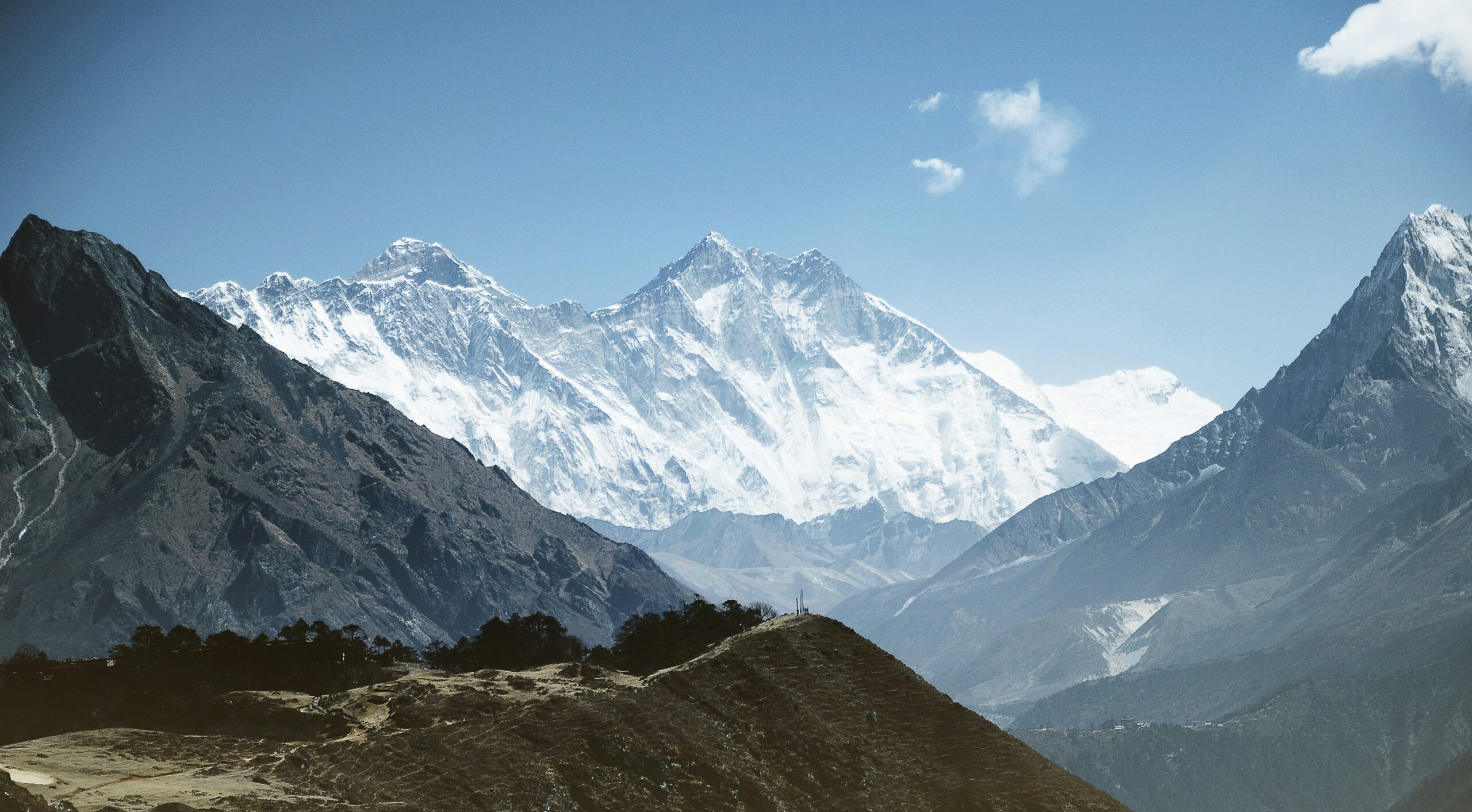
Everest, officially Sagarmatha, sits inside a national park, and entry requires this permit, checked at Monjo on the way up to Namche Bazaar. It funds park conservation and ranger staff along the route. It’s included in both our Everest Base Camp Trek and the longer Everest Three High Passes Trek.
Pasang Lhamu Rural Municipality fee
A separate local entry permit for the Khumbu region, named for the first Nepali woman to summit Everest, collected alongside the park permit and used for local infrastructure rather than the national park itself. Also included in both Everest treks above.
Annapurna Conservation Area Permit
The Annapurna region is managed as a conservation area rather than a national park, with its own entry permit funding community-based conservation projects across the region. It’s required for the Annapurna Base Camp Trek and included in the price.
Restricted areas
A few regions, including Upper Mustang, Manaslu, Nar Phu, Dolpo and Kanchenjunga, need a special restricted area permit, and it costs far more than a standard permit. It is only issued through a registered agency, and you must travel with a licensed guide. Until March 2026 it was also only issued to groups of at least two, but Nepal’s Department of Immigration dropped that rule, so a solo traveller can now get the permit on their own, with up to seven travellers per guide. We apply for it as part of the booking. For a full walk-through of how this plays out on one specific route, see our Kanchenjunga Base Camp Trek guide.
What’s not covered by any permit
Your Nepal entry visa is separate from every trekking permit above and is arranged on arrival at Kathmandu airport for most nationalities, currently 30 USD for 15 days, 50 USD for 30 days and 125 USD for 90 days, though you should check the current rate for your passport before you fly. It’s excluded from every trek we run, the same as your international flights and personal travel insurance. For what a policy actually needs to cover at the altitude your route reaches, see our travel insurance guide.
Why this matters when you compare prices
Some operators quote a lower headline price and add permits as a line item once you’ve already committed. Every permit and park fee your route needs is inside the number we quote from the start, on every trek, whatever the group size. For the full breakdown on Everest Base Camp, see what you’re actually paying for on Everest Base Camp.
Verifying who arranges them
Permits are processed by our office using our government registration and TAAN membership, both published on our licences and registration page so you can check them before you book rather than taking our word for it. If you have questions about what a specific route requires, ask us directly before you travel.