
This guide is about Kathmandu 3 day itinerary, written from what we see on the trail every season.
In this article
Table of contents
Most travellers land in Kathmandu with a trek waiting at the other end, and give the city a day at best. Three days is a much better fit. It is enough to see the main sites properly, eat a slow lunch, and still have an evening to yourself. This plan uses our own private tours, so you can follow it as it is or borrow the parts you like.
Before you plan the days
Kathmandu sits at around 1,400 metres, so there is no altitude to worry about on these days. The distances are short, but traffic is slow, which is why each day below has just one main focus. Wear clothes that cover shoulders and knees for temples, and shoes that slip on and off easily.
Our valley tours are private, with a licensed guide and a vehicle for your party only, so the timing can flex around you. Entry fees for the sites in each tour are already in the price.
Day 1: The four big sites
Start with the Kathmandu Full Day Heritage Tour. Your guide meets you at your hotel at 9am, and you are dropped back around 6pm.
The day runs through Kathmandu Durbar Square, Swayambhunath, Pashupatinath and Boudhanath, in that order. Parts of the Durbar Square are still being restored after the 2015 earthquake, and your guide will explain what fell and what has been rebuilt.
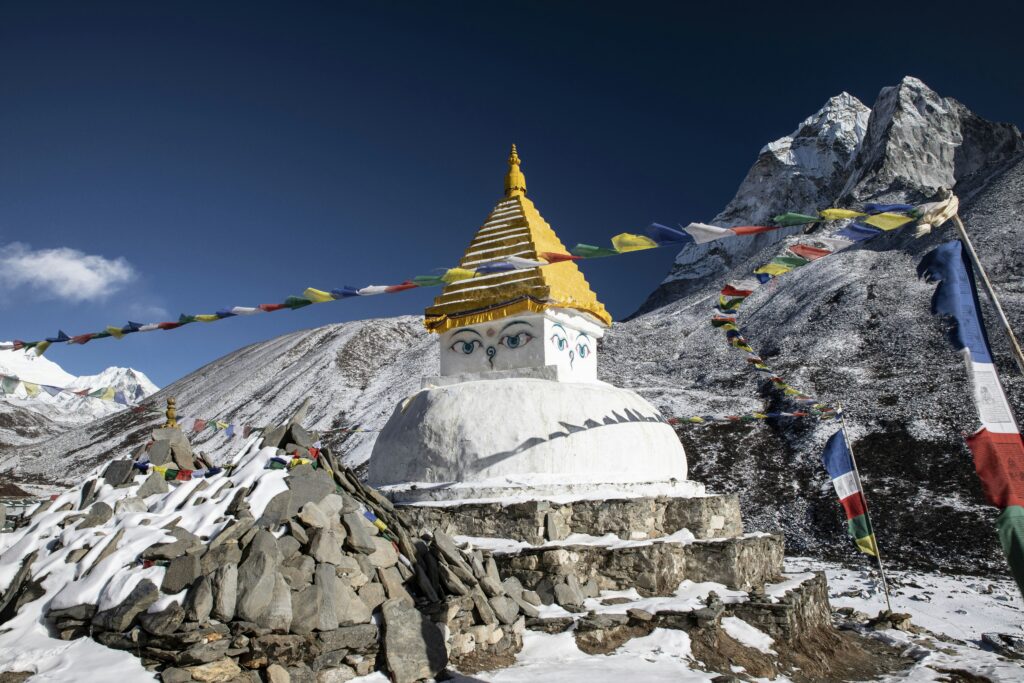
Swayambhunath has 365 steps up a wooded hill, but the vehicle can take you to a side entrance near the top if you would rather skip them. At Pashupatinath the main temple is open to Hindus only, but anyone can walk the grounds and the riverside ghats around it. Boudhanath comes last on purpose. Late afternoon is when pilgrims walk around the stupa, and it is a lovely place to end the day.
Lunch is not included, so you can choose where to stop. Budget roughly USD 8 to 20 per person.
Day 2: Changu Narayan and Bhaktapur
Day two is quieter. The Bhaktapur and Changu Narayan Day Tour picks you up at 9am and heads east, about an hour from the city.
You visit Changu Narayan first, a hilltop temple site that is rarely busy and holds a fifth century stone inscription, the oldest dated one in Nepal. Then you head down to Bhaktapur, where the old core is car-free and the afternoon is spent on foot. You will see Durbar Square, Taumadhi Square with the five-tiered Nyatapola temple, and Potters’ Square.
Wear comfortable shoes, as the streets are brick paved. Bhaktapur’s entry ticket stays valid for a week, so you can return on your own if you want more time. You are back at your hotel around 5.30pm.
A swap for day 2: sunrise at Nagarkot
If you would rather see the mountains, the Nagarkot Sunrise Day Tour can take its place. It leaves at about 4am for the valley rim at 2,195 metres, includes breakfast at a viewpoint lodge, and comes back down through Bhaktapur. You are back in Kathmandu by mid afternoon.
Views depend on the weather. From late October to February the air is usually clear enough, and in the monsoon the mountains are often hidden. Bring warm layers, because it can be close to freezing before dawn in December.
Day 3: Patan and Kirtipur, then a slow afternoon
The Patan and Kirtipur Half Day Tour takes about four hours, with pickup at either 9am or 1.30pm. That leaves the rest of the day free for shopping in Thamel, packing for your trek, or simply resting.
Patan Durbar Square is tighter and better preserved than the one in Kathmandu. The entry fee includes the Patan Museum, and the Golden Temple is a working Buddhist monastery. Shoes come off there, and leather items such as belts and bags are not allowed inside, so travel light. Kirtipur, a Newar hill town about twenty minutes away, sees very few visitors and has steep stone lanes, so wear shoes with grip.
What it costs
For two or three travellers, the three tours above are 95, 75 and 60 USD per person, which comes to 230 USD per person for the full plan. Prices drop with larger groups and rise for a solo traveller, and the full ladder is on each trip page. Hotels, lunches, tips, your visa and travel insurance are not included in the day tours.
If you prefer one booking with a night in a three-star hotel and welcome and farewell dinners built in, the two-day Kathmandu Valley Tour covers all seven UNESCO sites of the valley, and you could add a third day from the plan above.
Fitting it around a trek
Many travellers do the first day or two before their trek and keep the rest for the return. Day 3 works well as a gentle arrival afternoon or the morning before a flight. For more ideas beyond the valley, see our guide to the best things to do in Kathmandu and Pokhara, and our Nepal trekking packing list for what to sort out while you are in the city.
Booking
Every tour runs on your own dates. Read how booking works, or contact us and we will line the three days up around your flights and your trek.
Kathmandu 3 day itinerary: next steps
Use this Kathmandu 3 day itinerary to shortlist your dates, then message us. We will check the Kathmandu 3 day itinerary details against the season, the permit rules and your group before you commit to anything.
Questions about Kathmandu 3 day itinerary that this page did not answer? Ask us and we will add the answer here.
A good Kathmandu 3 day itinerary should leave you able to plan, and ours is built for that. Read the Kathmandu 3 day itinerary once through, check the key details, then compare it with the trip page.
Our team is a member of TAAN, Nepal’s trekking agents association. If this Kathmandu 3 day itinerary raised a question, ask us. A short recap of the Kathmandu 3 day itinerary: check the season, check the permits, and plan the days before the price.