
“Moderate” means something different on every trekking website, which makes it close to useless when you’re trying to decide what you can actually handle. Here’s how we grade our own routes, and what each level really means for your legs, your lungs and your trip.
In this article
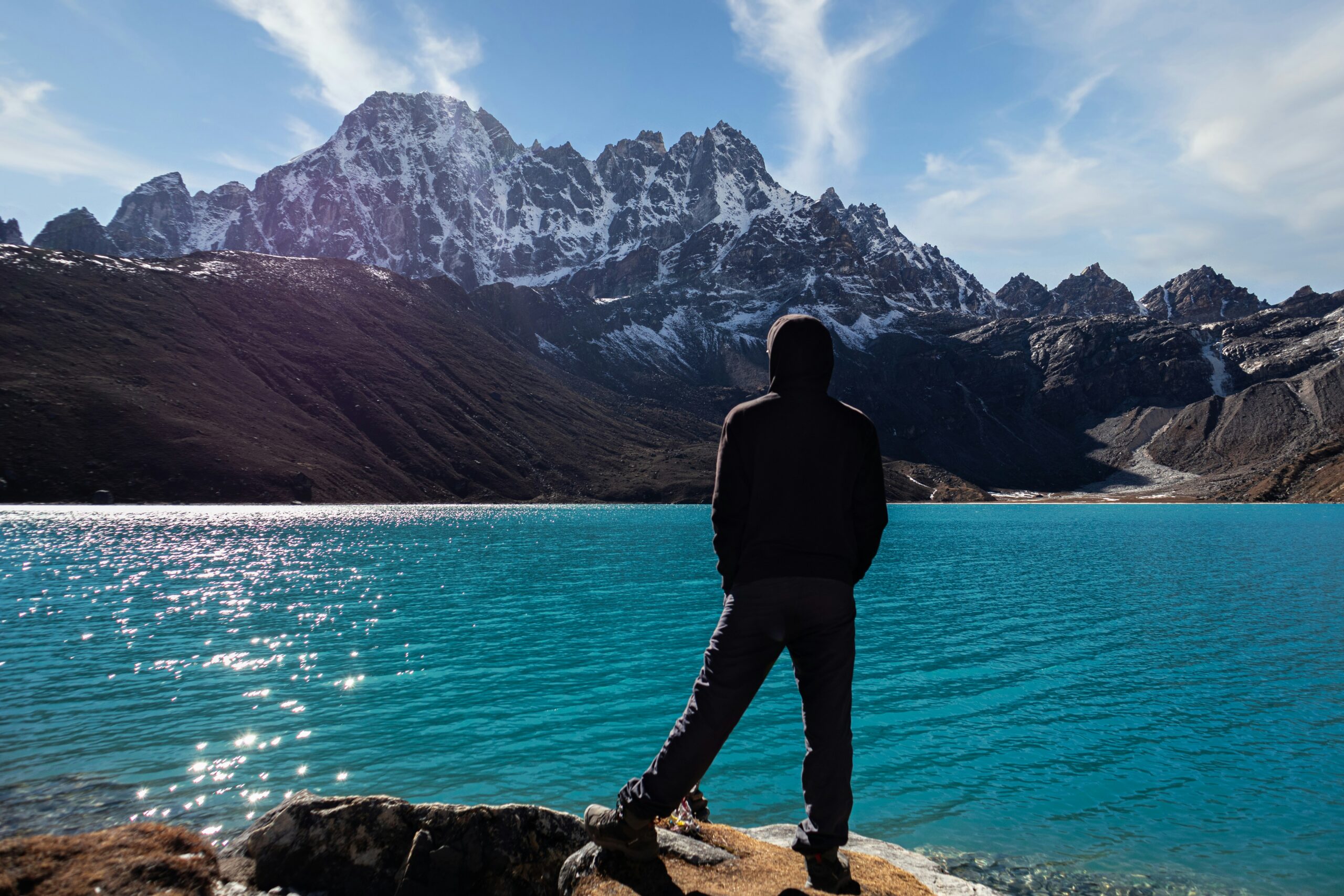
What actually drives difficulty
Three factors matter far more than total distance: maximum altitude, how quickly you gain it, and daily walking hours with pack weight. A trek that stays under 3,000 m for ten days is usually easier than one that spends three days above 5,000 m, even if the second one is shorter. We weigh all three when we set a grade, not just the summit height on the brochure, and we factor in how exposed and technical the terrain itself is, since a steep scramble or an icy pass crossing adds difficulty that altitude alone doesn’t capture.
Easy
Up to about 3,200 m, three to six hours of walking a day on established trails, no acclimatisation days needed. Day tours like the Kathmandu Valley Tour and the Sarangkot Sunrise Tour sit here, along with the gentlest multi-day routes: the Tamang Heritage Trek, which tops out at 3,165 m, and Ghorepani Poon Hill, which tops out at 3,210 m. Suitable for most fitness levels, including children old enough to walk several hours themselves.
Moderate
Up to around 4,500 m, five to seven hours a day, some steep sections but no technical terrain. This is where many first-time Himalayan treks sit: Langtang Valley, Mardi Himal, Annapurna Base Camp and Upper Mustang all fall here. Our full roundup of best treks for first-timers covers several of these in depth. Regular hill walking or stair climbing in the months beforehand is enough preparation for this grade.
Strenuous
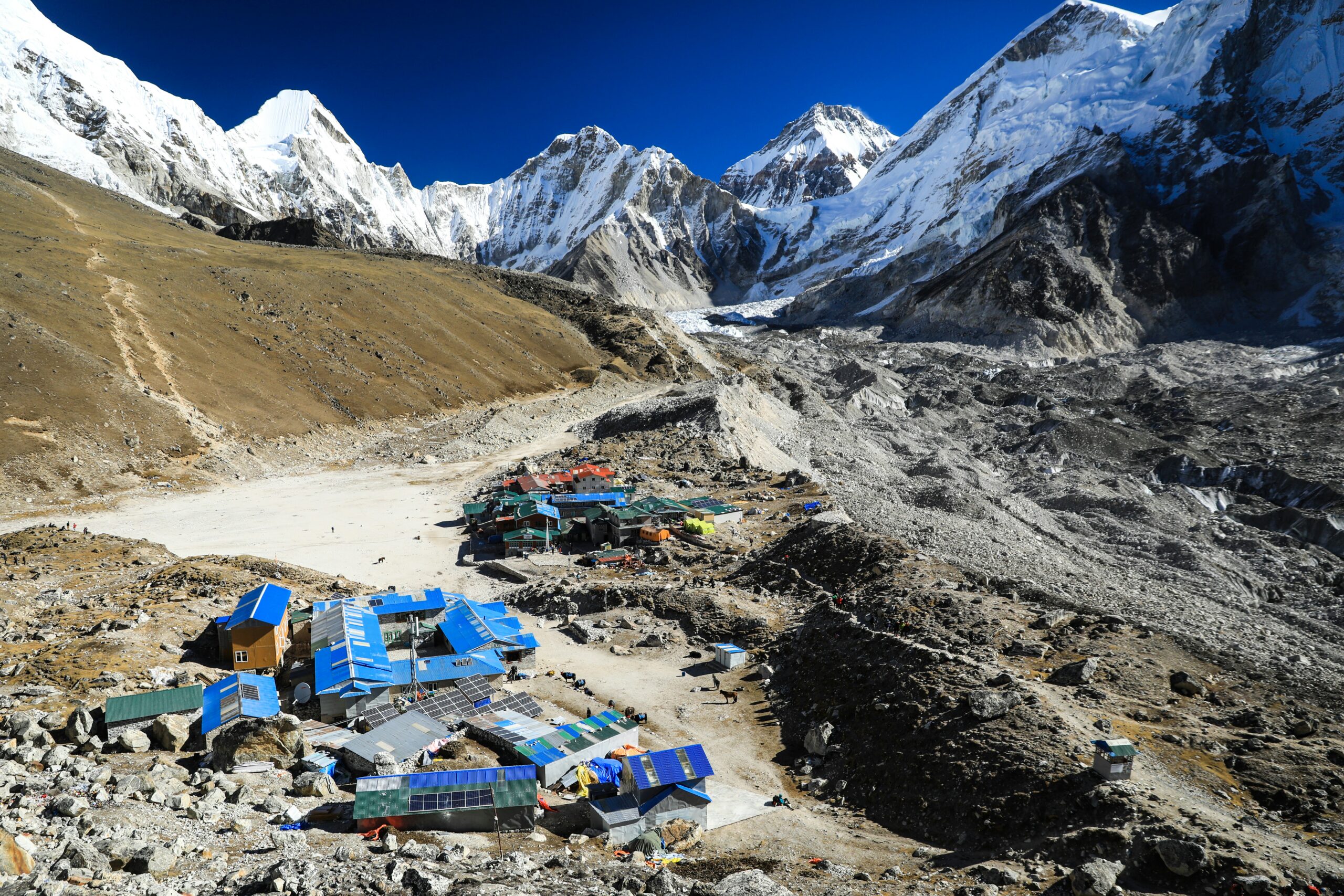
Above 5,000 m, six to eight hours a day for multiple consecutive days, and a dedicated acclimatisation schedule. The Everest Base Camp Trek, the Annapurna Circuit and the Manaslu Circuit all sit here. This is also where altitude sickness becomes a real planning factor rather than a remote risk; see our guide to altitude sickness on the Everest route for what we actually watch for. Prior multi-day trekking experience is strongly recommended at this grade, even though it isn’t strictly required.
Very strenuous
Multiple high passes, remote terrain, longer days at extreme altitude, or technical climbing. The Everest Three High Passes Trek and Island Peak Climbing are our clearest examples; we’re honest that these need prior multi-day trekking experience, not just enthusiasm. Read our full Three High Passes guide or Island Peak Climbing guide for what each one actually demands.
Fitness vs altitude tolerance
Being fit doesn’t make you immune to altitude, and not everyone responds to elevation the same way regardless of training. We build conservative acclimatisation schedules into every strenuous and very strenuous itinerary for this reason, and our guides monitor the group daily rather than relying on the printed schedule alone. A strong runner with no altitude exposure can still struggle more than a slower, steadier walker who has spent time above 3,000 m before.
How age and experience factor in
Grading is about terrain and altitude, not age. Trekkers in their sixties and seventies reach Everest Base Camp every season, while very fit people who have never slept above 3,000 m sometimes struggle more than they expected. What we actually ask about is your walking background and any time you’ve already spent at altitude, not a number on your passport.
Not sure which level fits you?
Tell us honestly about your hiking background, any multi-day trips you’ve done, and how many days you have, and we’ll recommend a route rather than let you guess from a brochure grade. Get in touch, or read how booking a private trek works to see how the conversation usually goes before you commit.