
Everest Base Camp gets all the attention, but it’s not where most people should start. If this is your first trek in Nepal, a shorter, lower-altitude route teaches you what teahouse trekking actually feels like, without a three-week commitment or a flight into Lukla you can’t control. Here are the routes we point first-timers toward most often, and why each one earns its place on this list.
In this article
Prices below are per person for two or three people travelling together. Solo prices are a little higher, and larger groups pay less; every trip page shows the full ladder.
1. Ghorepani Poon Hill Trek
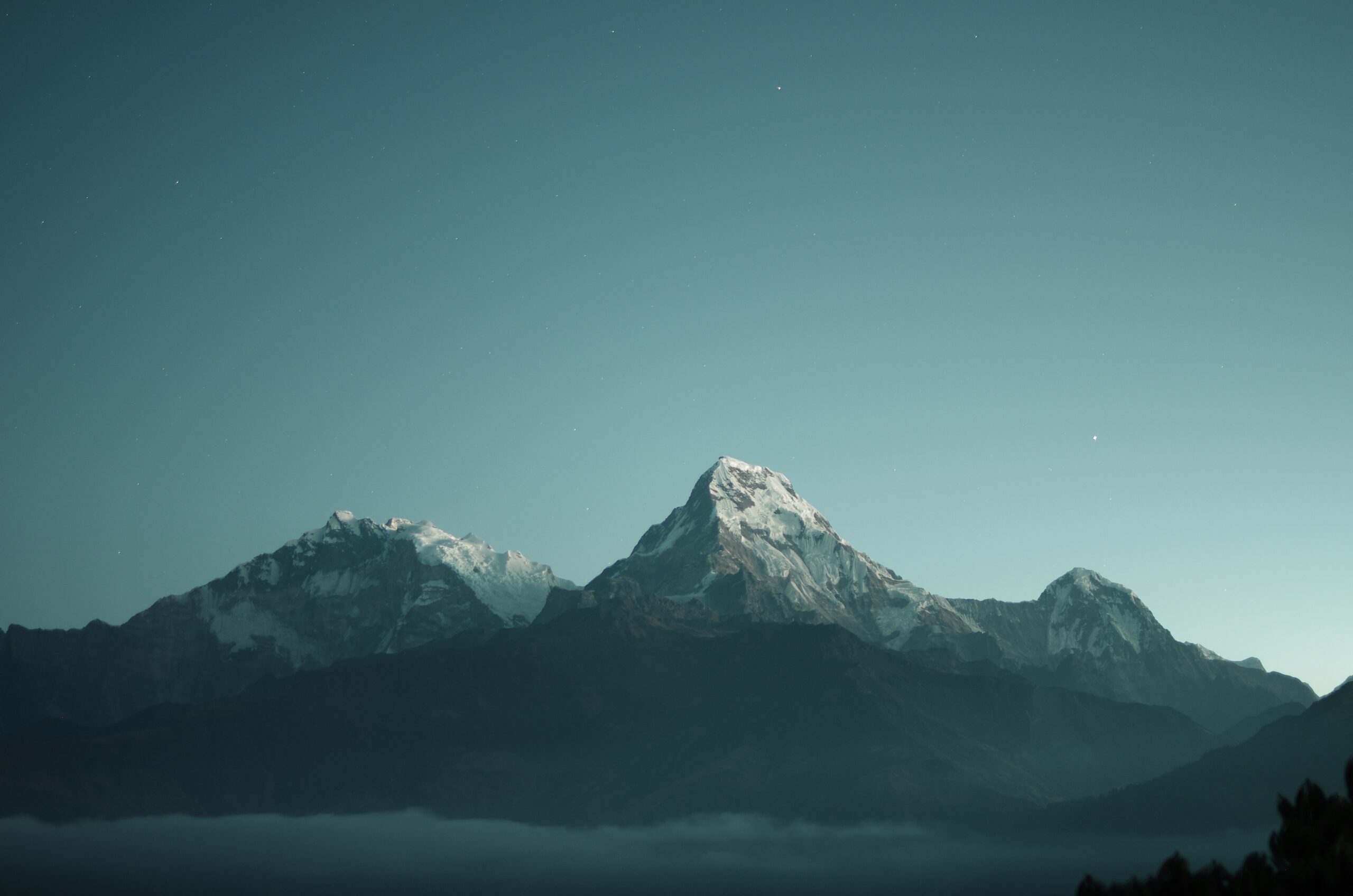
The classic short trek: four nights on the trail through rhododendron forest and Gurung and Magar villages, topping out at the Poon Hill viewpoint (3,210 m) for a sunrise over Annapurna, Dhaulagiri and Machhapuchhre. It’s nine days door to door from Kathmandu, including the bus to Pokhara and back. Low altitude, good lodges, and no technical terrain make this the single most beginner-friendly multi-day trek we run. From 660 USD per person on the Ghorepani Poon Hill Trek page.
2. Mardi Himal Trek
A step up in altitude, to a 4,250 m viewpoint, but still only five nights on the trail and ten days door to door, with a dramatic ridge walk and Machhapuchhre at close range. We cover it fully in our Mardi Himal Trek guide; from 810 USD per person on the trip page.
3. Langtang Valley Trek
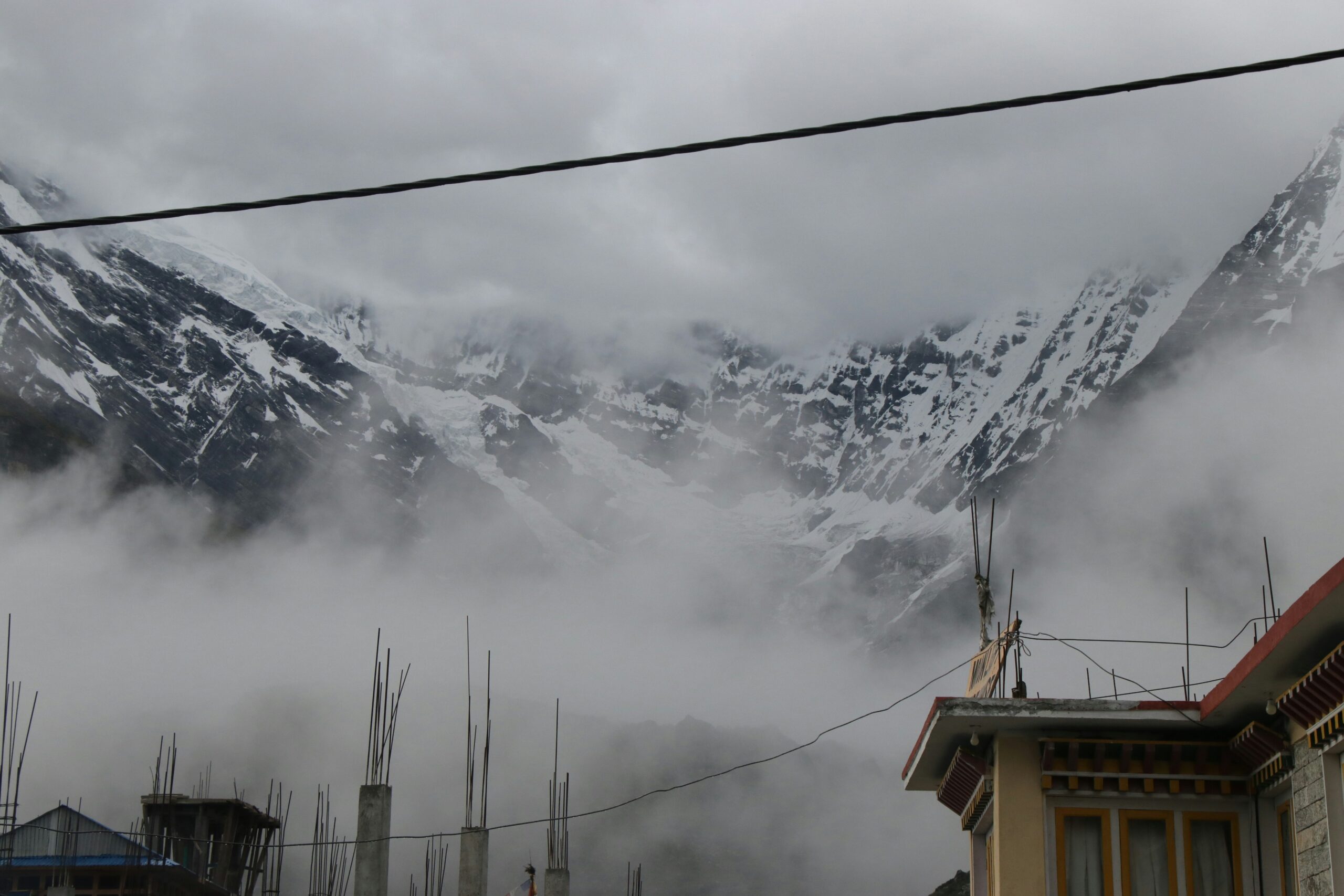
Ten days, reached entirely by road from Kathmandu, with high-Himalaya scenery and no flight risk. Full details in our Langtang Valley Trek guide; from 640 USD per person on the trip page.
4. Annapurna Base Camp Trek
Longer at 13 days and higher at 4,130 m, but still gentler on acclimatisation than the Everest routes, with no dedicated rest day needed. See the full day-by-day itinerary or the trip page, from 1,065 USD per person.
5. Jomsom Muktinath Trek
A lower-altitude route through the dry Kali Gandaki valley to the Muktinath pilgrimage site, with wide trails and gentler daily walking than most high-mountain routes. The road access along much of this route also means an easier exit if someone in your group needs to turn back early. See the trip page, from 895 USD per person.
6. Gosaikunda and Helambu Trek
A moderate route to a set of sacred alpine lakes, combinable with the Langtang Valley or done as its own shorter trip. It’s a good option for travellers who want a pilgrimage-site destination alongside the mountain scenery. It does have one stiff day of more than 1,000 m of climbing, so it suits people who already walk regularly. See the trip page, from 705 USD per person.
7. Tamang Heritage Trek
More culture, less altitude: eight days through Tamang villages near the Tibetan border, with the hot springs at Tatopani on the way and a high point of 3,165 m at Nagthali. It’s one of our gentlest multi-day options and a strong pick if you’re travelling with older children or anyone new to multi-day hiking. See the trip page, from 550 USD per person.
8. Everest Trek at a Glance
If you want a taste of the Khumbu without committing to the full Base Camp itinerary, this nine-day Everest-region route reaches Namche Bazaar, Tengboche monastery and the Everest View Hotel at 3,880 m without going above 4,000 m, a good compromise if the idea of Everest draws you but the two-week commitment doesn’t. See the trip page, from 1,195 USD per person.
How these compare on difficulty
All eight sit at the easy-to-moderate end of our grading; see the full breakdown in Nepal trekking difficulty levels explained if you want to understand exactly what separates them from routes like Everest Base Camp or the Annapurna Circuit.
What first-timers get wrong
The most common mistake isn’t picking too hard a trek, it’s underestimating what several walking days in a row actually feel like, even on an easy grade. A single six-hour hike at home is a good day out; six hours a day for five days straight, with simple food and basic rooms, is a different kind of tired. None of the treks above require special fitness, but a few weeks of regular walking beforehand makes the first two days noticeably more enjoyable.
What they have in common
Every route above runs as a private trek on your own dates, with a licensed guide, included permits and full board on the trail. See how booking a private trek works and what to expect on a teahouse trek for the details that apply across all of them. Get in touch and tell us your fitness level and how many days you have, and we’ll point you to the right one.